People are not the only ones affected by seasonal allergies—dogs and cats can experience them as well.
Causes of Pollen Allergies in Pets
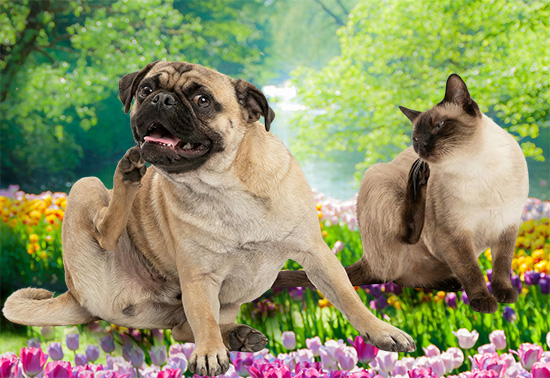 As spring flowers bloom and pollen becomes widespread, pets may also be exposed to allergens in the environment. Pollen from trees, grasses, weeds, and flowers can trigger seasonal allergies, particularly in dogs. These allergens may be inhaled or settle on the skin and coat, causing the immune system to overreact and trigger allergic responses.
Pollen levels vary by region and season and typically peak in the spring and fall, which is when pets are most likely to show symptoms.
Common Symptoms
Unlike people, pets—especially dogs—often exhibit allergy symptoms through their skin rather than their respiratory system. Common signs include:
- Persistent itching and scratching, particularly around the paws, ears, belly, and armpits
- Red, inflamed, or irritated skin
- Excessive licking or chewing of the paws
- Watery eyes or sneezing in some cases
- Recurrent ear infections due to inflammation
- Hives or facial swelling in severe reactions
Certain breeds are genetically predisposed to allergic skin conditions, such as atopic dermatitis, making them more sensitive to environmental allergens.
Management and Treatment
While pollen allergies cannot be cured, symptoms can be effectively managed through a combination of strategies:
- Reducing exposure: Limit outdoor activity during peak pollen times, wipe paws and coats after walks, and keep windows closed when pollen counts are high.
- Medications: Veterinarians may recommend antihistamines, corticosteroids, or other prescription treatments to control itching and inflammation.
- Regular bathing: Medicated shampoos and routine grooming can help remove pollen and soothe irritated skin.
- Monitoring for secondary infections: Excessive scratching or licking can lead to bacterial or yeast infections that require additional treatment.
Preventive Tips
- Keep pets indoors during peak pollen hours
- Use air purifiers to reduce indoor allergens
- Maintain regular grooming and bathing routines
- Consult a veterinarian about allergy testing or immunotherapy if symptoms persist
Early recognition and proactive management can significantly reduce the discomfort caused by seasonal pollen. Contact your vet for a recommendation on the best treatment for allergies.